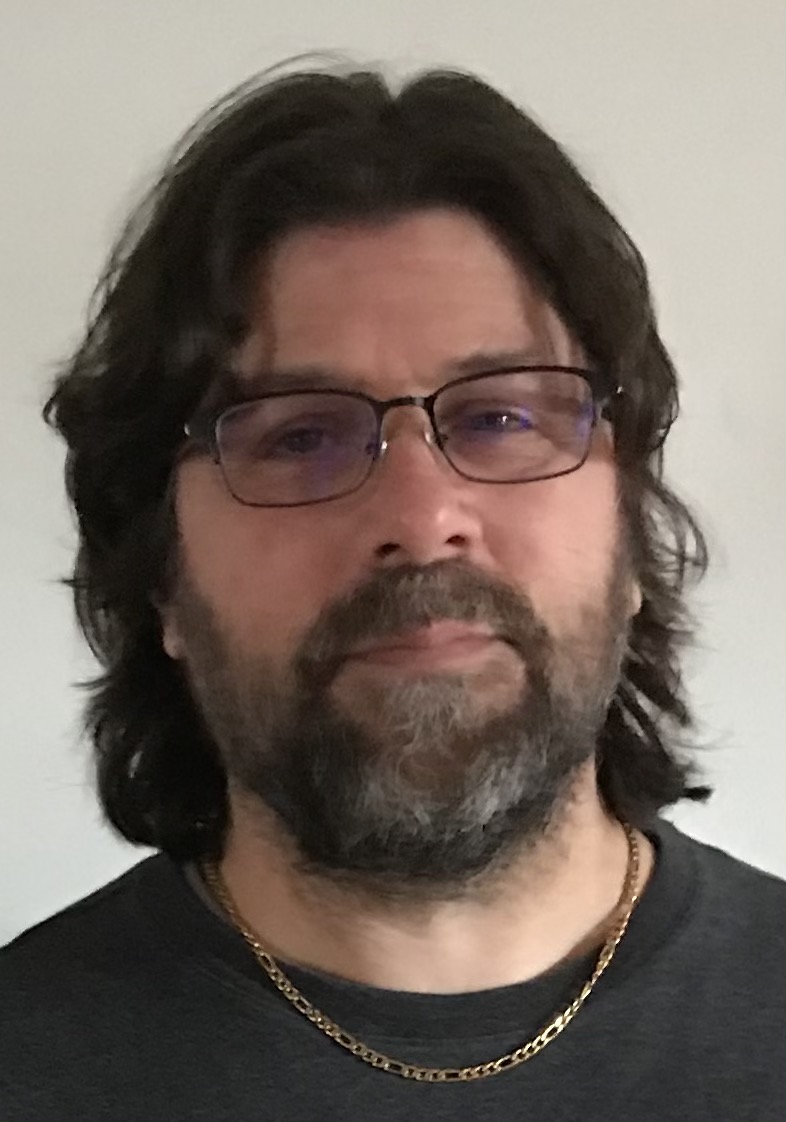
Stephen Bujno, Ph.D., teaches and writes at the intersection of moral theology, philosophical anthropology, and the ethics of care. His work attends to what is upstream of the present disputes: the human person, the formation of practical reason, and the conditions under which honest public exchange becomes possible.
Stephen Bujno, Ph.D., is Visiting Assistant Professor of Philosophy at Villanova University, where he teaches the foundational philosophy course and the ethics course required of pre-medical and nursing students.
His doctorate, in the philosophy of political and social thought, was completed at the Global Center for Advanced Studies College in Dublin. He holds graduate degrees in philosophical anthropology and moral theology. His writing proceeds in two registers. The applied register addresses the public dialogue on contested questions of ethics, bioethics, and the formation of conscience. The theological register addresses the moral life as it is lived by the Christian person.
He has lectured before legislators, clerics, and students on the philosophical anthropology beneath the public abortion question, and has taught the dialectical method to nurses, physicians, seminarians, and undergraduates for over twenty years. He lives in Adamstown, Pennsylvania.
An ethics of health care framed in light of an authentic understanding of the human person and the common good. Written for professionals, caregivers, and patients alike, the book turns the clinical conversation inward and asks what is upstream of every protocol and ethical principle.
Read more →A primer in logic and critical thinking that reorients the public abortion dialogue away from the binaries of life and choice and toward the central issue of personhood. The book proceeds dialectically, treating the customary objections seriously and pressing them against what they claim to be.
Read more →Part original treatise and part anthology, the book addresses Christian morality from an orthodox position without overt dogmatism. Eight chapters move through freedom, the moral self, society, and the place of beauty in the moral life. Foreword by Brendan Sammon.
Read more →A speculative narrative in the form of Justin Martyr’s second-century defense. The Christian landscape is divided among the Compromised, the Radicals, and the Weak. The story unfolds as a letter from an imprisoned member of the Weak to a secular authority. Middle volume of a trilogy.
Read more →A guided journal absorbing the boundaries of philosophical anthropology, humanistic psychology, and Christian spirituality. Twelve themes across one hundred days, addressed in the second person, drawing the reader into the daily discipline of attention and self-honesty. Foreword by Ronda Chervin.
Read more →Three volumes of theological narrative in three classical forms of address: the soliloquy, the apology, and the apocalypse. Apology has been published as the middle volume. The two further volumes have since been declared. The writing order inverts the reading order.
For lectures, manuscript reviews, and editorial correspondence: